1. Isolate the space
The team closes the area, marks it off and keeps staff, tenants and visitors away until work is finished.
Springer, NM · Colfax County
A tenant moved out and left powder, pills or stained surfaces. In Springer, call (877) 812-4220 to ask how a cleanup team collects residue, decontaminates the space and keeps people safe.
If anyone is in danger, call 911 first. For a suicide crisis, call or text 988.
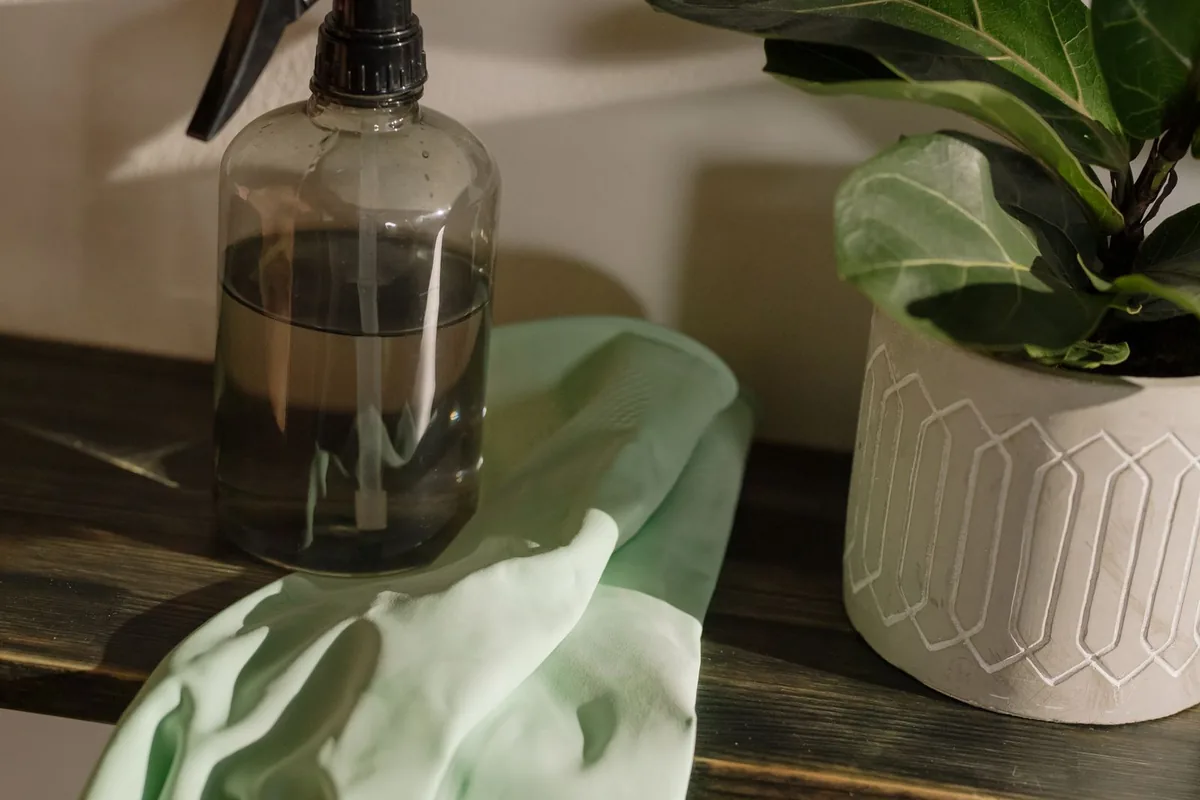
Fentanyl exposure cleanup removes the source of the hazard so people and pets can use the space again. It is separate from medical treatment, which is for emergency responders and doctors.
Have questions about unknown powders, exposure risks and cleaning? Owners in Springer can ask Springer Biohazard Cleanup Help in a calm call with no judgment. You get help focused on making your space in Colfax County safe.
Vacant housing is about 44% of homes in Colfax County, and empty buildings can hold unknown powders that owners find only when they open the door. People who may have been exposed should get medical care. Miners' Colfax Medical Center in Raton is the closest emergency room to Springer.
The work often covers:
The team closes the area, marks it off and keeps staff, tenants and visitors away until work is finished.
The crew seals the area, turns off air flow that could carry dust and puts on protective gear.
Surfaces are wiped with wet methods, and waste is sealed at the point of cleanup.
Waste is sealed for transport, the area is checked and the owner receives guidance on next steps.
Most fentanyl decontamination jobs in Springer, NM cost between $3,000 and $30,000, based on published cost guides.
Vehicles and tight spaces take careful, slow work, while open rooms with hard floors may go faster.
| Type of job | Typical range |
|---|---|
| Fentanyl cleanup | $3,000 - $20,000 |
| Fentanyl cleanup | $5,000 - $30,000+ |
These ranges come from published cost guides (Biohazard cleanup company pricing guide) and are not a quote for Springer. Price drivers include area affected, testing before and after, protective gear and disposal, materials that must be removed. For a real number, call (877) 812-4220.
Some teams offer sampling and some do not. Rules for testing and clearance vary by place. Ask the team what it checks, and ask the local health department what applies where you live.
It is the careful removal and cleaning of fentanyl powder or residue from a home, vehicle or workplace. Cleanup crews wear protective gear, control the air, collect residue without raising dust, clean surfaces and seal waste. A record of the work is usually available at the end of the job.
It can be a fine powder, a faint film or nothing visible at all. Because it is hard to recognize, treat any unknown powder as hazardous. Do not touch or smell it. Leave the area and call 911 or Poison Control.
No. This page explains how fentanyl decontamination works. It is not medical, legal or insurance advice. For symptoms, contact a doctor or Poison Control, and for questions about what must be reported, ask an attorney or the local health department.
It is not recommended. Sweeping, wiping and vacuuming can lift fine powder into the air. Leave the area, keep people and pets out, and call 911 in an emergency or Poison Control with questions. Then ask a cleanup team about decontamination.
Do not touch it, and keep others away. Tell a supervisor or the property manager and call 911 if anyone is ill. A cleanup team can clean the area afterward. Employers should also follow their own safety procedures.
Crews use controlled methods that keep powder from spreading.
Call (877) 812-4220